Trademark Registration for Scientific & Laboratory Instruments Manufacturers in Ambala & Northern India
Ambala Cantonment, Haryana — India's largest scientific instruments manufacturing hub — is home to over a thousand units producing laboratory glassware, physics, chemistry and biology apparatus, measuring instruments, and educational teaching aids supplied to schools, colleges, research labs, and export markets across Africa, the Middle East, and Southeast Asia. Protect your instrument brand name and logo from imitators with a registered trademark filed by IP India authorised agents.
- Starting at just ₹1,999 — professional fee, govt. fees extra
- Correct class filing — Class 9, 16, or 35
- IP India Authorised Agents, 100% online process
- TM Application Number same day — use ™ immediately
- Trusted by 3,000+ businesses across India
Call Now: 6239771006
Why Scientific Instrument Manufacturers in Ambala Need Trademark Protection
Ambala's scientific instruments cluster is the largest in India, manufacturing laboratory glassware, physics, chemistry and biology apparatus, measuring and testing instruments, and educational teaching models for domestic schools, colleges, research institutions, and export buyers across Africa, the Middle East, and Southeast Asia. Thousands of small and large units operate side by side, supplying similar product ranges through overlapping dealer and institutional supply channels.
With look-alike catalogues, copied packaging, and counterfeit instruments frequently sold under imitation brand names through unauthorised dealers and online marketplaces, brand protection through trademark registration is critical. Fake or substandard instruments damage customer trust and undercut genuine manufacturers on price and reputation. A registered trademark gives you the exclusive legal right to your brand name and logo across India, enabling action against imitators through cease-and-desist notices, e-commerce takedowns, customs recordal, and court injunctions.
Trademark Classes for Scientific Instrument Manufacturers
Filing in the correct class is critical — protection applies only to the class(es) you register under. Most scientific instrument manufacturers need one or more of these classes.
The primary class for scientific instrument manufacturers — covers laboratory glassware, physics, chemistry and biology apparatus, measuring and testing instruments, optical goods, and lab equipment. Class 9 is the correct filing class for any instrument brand supplied to schools, colleges, research labs, or export markets.
Relevant for manufacturers who also produce printed anatomical charts, wall charts, or educational teaching stationery — common among Ambala units that bundle charts and models alongside lab instruments. Class 16 covers paper goods and printed matter not included in other classes.
Covers wholesale and retail trading, distribution, and export of scientific and laboratory instruments — essential for manufacturers and traders selling through dealer networks, direct institutional supply to schools and labs, or overseas buyers.
Not sure which class covers your instrument product range? Browse all 45 Nice Classes, run a free trademark search, or ask our experts on WhatsApp.
How We Register Your Scientific Instrument Brand

Before filing, we do a thorough check to see if your brand name, logo, or slogan is already taken or too similar to an existing one.

Once everything is set, we file the TM-A trademark application online.

If your trademark includes a logo, the registry uses something called Vienna Codification to classify it.

Next, the Trademark Office reviews your application.
👨⚖️ If everything looks good, it moves to the next step
❗ If there's an objection, don't worry — we'll respond with clarification or attend hearings for you

If accepted, your application is published in the Trademark Journal.

Once the process is complete — congratulations!
🎉 You get your Registration Certificate
🔐 You can now legally use the ® symbol next to your brand name
🕒 Valid for 10 years, and you can renew it as needed
Our experts
Meet the attorneys behind your trademark
Experienced trademark professionals dedicated to protecting your brand with precision, speed, and personalised guidance at every step.

Mr. Anil Bassi
Trademark Attorney & Agent
Areas of expertise
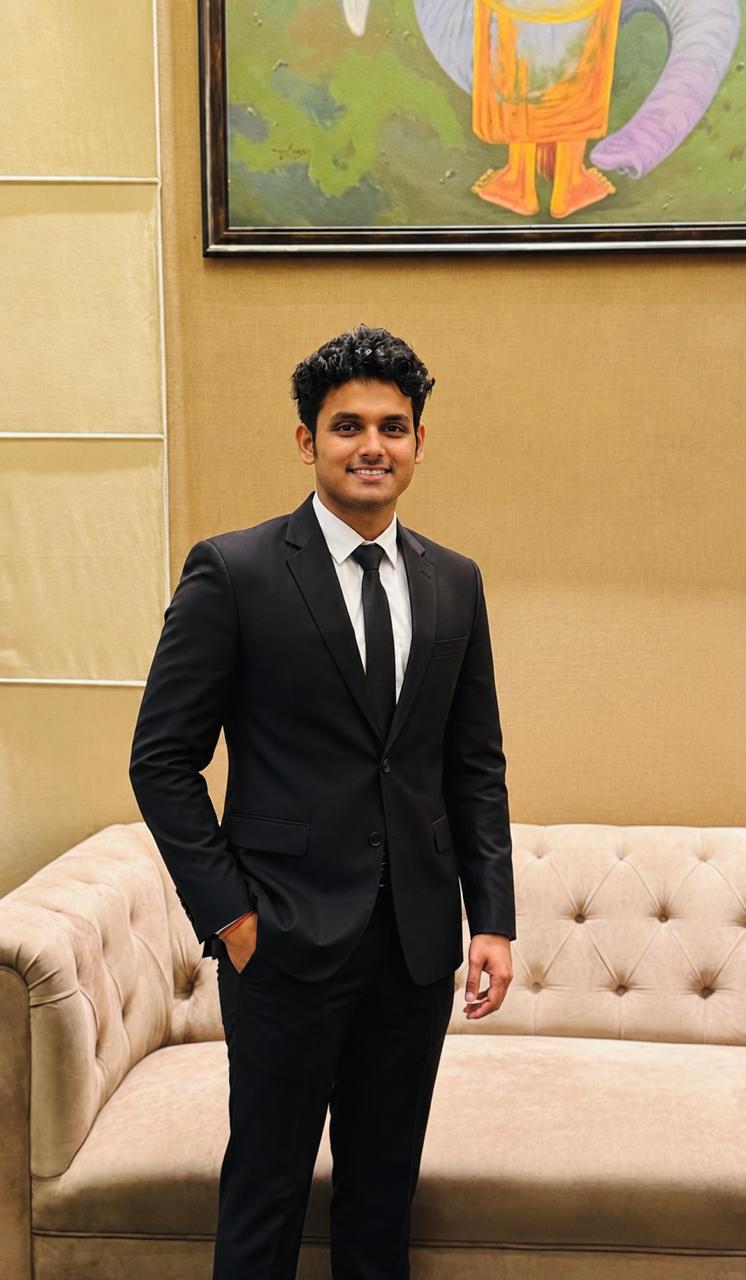
Mr. Ishan Bassi
Trademark Attorney
Areas of expertise
FAQs — Trademark for Scientific Instrument Manufacturers
Scientific and laboratory instrument manufacturers primarily file under Class 9 (scientific, measuring, and laboratory apparatus — covers lab glassware, physics/chemistry/biology apparatus, measuring instruments, optical goods, and testing equipment). Units that also supply printed anatomical charts, wall charts, or educational teaching stationery need Class 16 (paper goods and printed matter) as well. If you wholesale, export, or supply directly to schools, colleges, and dealer networks, Class 35 (wholesale and retail trading) is also relevant. Our agents review your full product range and recommend the correct class combination.
Ambala Cantonment is India's largest scientific instruments manufacturing cluster, home to over a thousand units producing laboratory glassware, physics, chemistry and biology apparatus, measuring instruments, and educational teaching models supplied to schools, colleges, research institutions, and export buyers across Africa, the Middle East, and Southeast Asia. With so many units making similar product ranges and brand names frequently copied on look-alike catalogues, packaging, and counterfeit instruments sold through unauthorised dealers and online marketplaces, a registered trademark is essential. It gives you the exclusive legal right to your brand name and logo across India, enabling action against imitators through cease-and-desist notices, e-commerce takedowns, customs recordal, and court injunctions.
Yes. Laboratory and scientific apparatus falls under Class 9, while printed educational charts, wall charts, and teaching stationery fall under Class 16. If your brand covers both product lines, you need separate applications — one under each class — for full protection. Our agents can plan a coordinated filing strategy that covers your entire product catalogue at the most economical cost.
Yes. Manufacturing for other brands under job-work, OEM, or private label arrangements does not affect your right to register your own trademark. Registering your own brand name early is strategically valuable — it protects your identity independently of any OEM contracts and lets you sell under your own name to schools, laboratories, dealers, and export buyers without infringing on any other registration.
We file your application on the IP India portal within 1–2 working days of receiving your documents, and you receive the TM Application Number the same day — so you can start using ™ on your instruments, catalogues, packaging, and export documentation right away. Full examination and Journal publication typically take 8–18 months, and the mark matures to full registration (®) after the 4-month opposition window, provided no objections are filed.
Documentation required is minimal: (1) the brand name or logo you want to protect; (2) a short description of your products (e.g. "laboratory glassware, scientific measuring instruments, physics and chemistry apparatus"); (3) applicant identity proof — Aadhaar card, PAN card, or passport for an individual; certificate of incorporation or partnership deed for a company or firm; (4) MSME / Udyam Registration certificate, if available (qualifies you for the concessional ₹4,500 government filing fee instead of ₹9,000). Our team manages all documentation and filing formalities for you.
Yes. You can use the ™ symbol as soon as your application is filed and you receive the TM Application Number, which we deliver within 1–2 working days. You may display ™ on instrument labels, catalogues, packaging, and export documents immediately after filing. The ® symbol may only be used once your mark achieves full registration status.
Let's talk
Have questions about trademark registration for your scientific instruments manufacturing business? Whether you produce lab glassware, physics and chemistry apparatus, or educational teaching models in Ambala or anywhere in Northern India, we'd love to help you protect your brand.
Call 6239771006