Trademark Registration for Forging Units & Forged Components Manufacturers in Ludhiana & Northern India
Ludhiana is one of India's most concentrated forging clusters — producing drop forgings, closed-die forgings, crankshafts, connecting rods, flanges, forged rings, and precision forged components supplied to the automotive, tractor, railway, and construction industries. Protect your forging brand name and logo from imitators with a registered trademark filed by IP India authorised agents.
- Starting at just ₹1,999 — professional fee, govt. fees extra
- Correct class filing — Class 6, 7, 35, or 40
- IP India Authorised Agents, 100% online process
- TM Application Number same day — use ™ immediately
- Trusted by 3,000+ businesses across India
Call Now: 6239771006
Why Forging Units in Punjab Need Trademark Protection
Ludhiana's industrial belt hosts a dense cluster of forging units — drop-forging shops, closed-die forging manufacturers, and precision forging units that supply crankshafts, connecting rods, flanges, gear blanks, and forged rings to OEMs, Tier-1 suppliers, and the replacement parts market across India and globally. These units power supply chains for the automotive, tractor, bicycle, railway, and construction sectors.
With hundreds of forging units competing on similar grades and tolerances, brand identity is a key differentiator for commanding premium pricing and winning supply contracts. Counterfeit stamping on forged parts — especially in the automotive replacement market — is a serious and recurring problem. A registered trademark gives you the exclusive legal right to your brand name and logo across India, enabling you to take action against imitators through cease-and-desist notices, customs recordal, and court injunctions.
Trademark Classes for Forging Units & Forged Components Manufacturers
Filing in the correct class is critical — protection applies only to the class(es) you register under. Most forging units need one or more of these classes.
The primary class for forging manufacturers — covers drop forgings, closed-die forgings, crankshafts, connecting rods, flanges, forged rings, axles, gear blanks, metal fastener blanks, and all forged or semi-finished metal parts supplied to automotive, agricultural, railway, and construction industries.
Relevant for units that also manufacture or market forging presses, drop hammers, forging dies, trimming presses, or induction heating equipment. Covers machines used in the metal forging and heat treatment process.
Covers wholesale and retail trading, distribution, and export of forged metal products and components — essential for forging units that sell through dealers, stockists, or directly to overseas OEMs and Tier-1 suppliers.
Covers treatment of materials including metal forging-as-a-service, heat treatment, surface treatment, and job-work forging contracts — relevant if your unit offers forging on a contract basis or provides heat treatment and finishing services.
Not sure which class covers your forged product range? Browse all 45 Nice Classes, run a free trademark search, or ask our experts on WhatsApp.
How We Register Your Forging Brand

Before filing, we do a thorough check to see if your brand name, logo, or slogan is already taken or too similar to an existing one.

Once everything is set, we file the TM-A trademark application online.

If your trademark includes a logo, the registry uses something called Vienna Codification to classify it.

Next, the Trademark Office reviews your application.
👨⚖️ If everything looks good, it moves to the next step
❗ If there's an objection, don't worry — we'll respond with clarification or attend hearings for you

If accepted, your application is published in the Trademark Journal.

Once the process is complete — congratulations!
🎉 You get your Registration Certificate
🔐 You can now legally use the ® symbol next to your brand name
🕒 Valid for 10 years, and you can renew it as needed
Our experts
Meet the attorneys behind your trademark
Experienced trademark professionals dedicated to protecting your brand with precision, speed, and personalised guidance at every step.
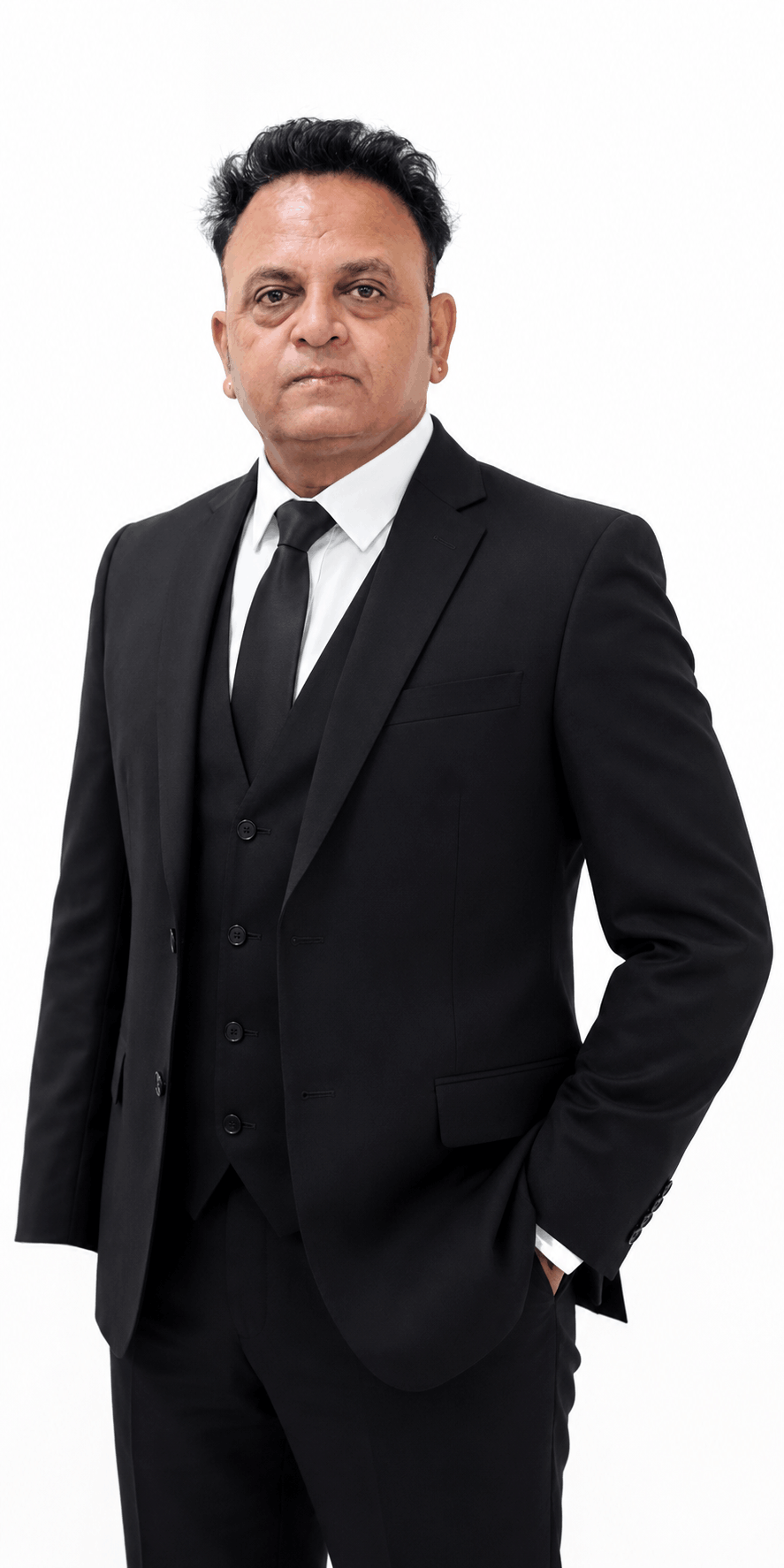
Mr. Anil Bassi
Trademark Attorney & Agent
Areas of expertise
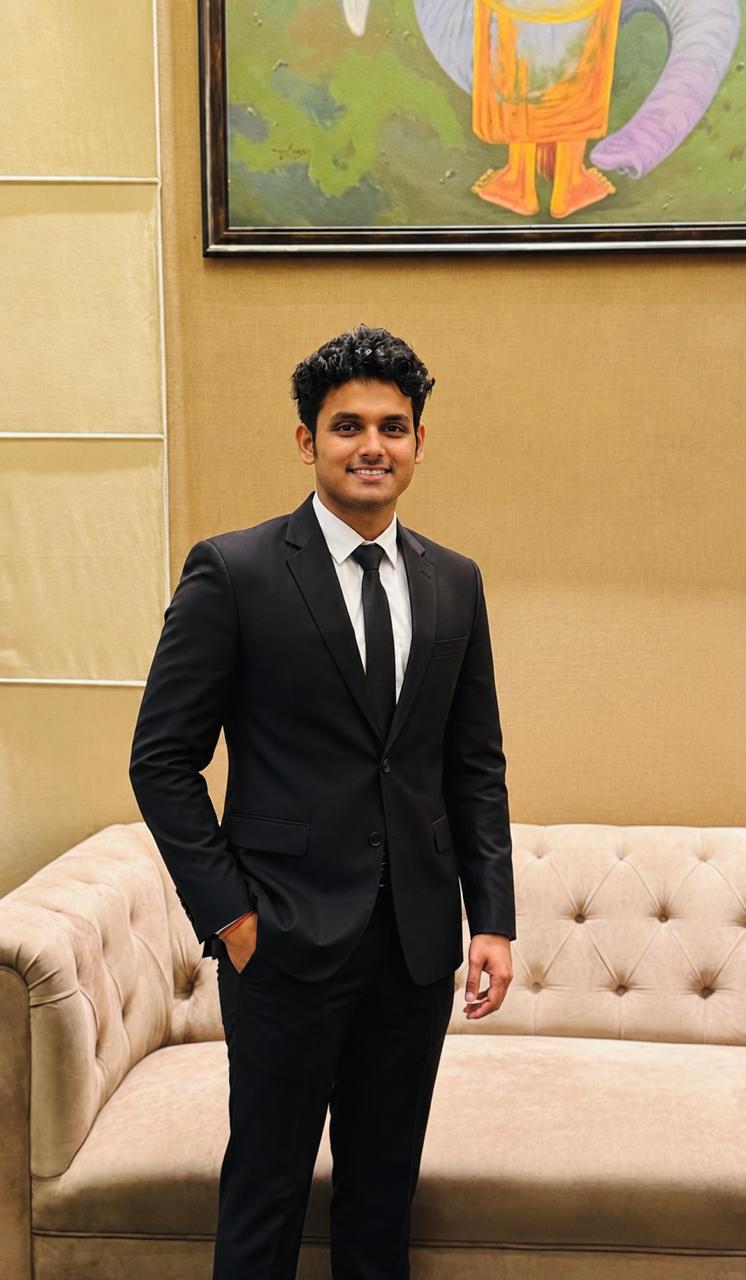
Mr. Ishan Bassi
Trademark Attorney
Areas of expertise
FAQs — Trademark for Forging Units & Forged Components Manufacturers
Forging manufacturers primarily file under Class 6 (common metals and their alloys; metal products — covers drop forgings, closed-die forgings, crankshafts, connecting rods, flanges, forged rings, axles, gear blanks, and structural forged parts). If your unit also manufactures or sells forging presses, hammers, or tooling, Class 7 (machines and machine tools) may be relevant. Businesses trading or exporting forged products wholesale should additionally consider Class 35 (wholesale and export trading services). Our agents help you identify the right class combination for your business.
Ludhiana and the surrounding Punjab belt are home to hundreds of drop-forging and closed-die forging units supplying crankshafts, connecting rods, flanges, and forged fasteners to the automotive, agricultural, construction, and railway sectors. With many similarly equipped units competing on the same specifications and price, brand identity separates premium suppliers from commodity producers. Counterfeit stamping on forged parts and look-alike brand names are real risks — particularly for units that supply branded spares to OEMs and the replacement market. A registered trademark gives you exclusive nationwide rights to your brand name and logo, enabling legal action against imitators.
Yes, significantly. Major automotive and tractor OEMs, Tier-1 suppliers, and export buyers increasingly require vendors to demonstrate IP ownership as part of supplier qualification. A registered trademark signals brand credibility, reduces the risk of brand disputes in supply agreements, and strengthens your position in export documentation. For forging units seeking IATF 16949 or ISO 9001 certification alongside brand protection, trademark registration is an important complementary step.
Both fall primarily under Class 6 (common metals and their alloys; metal products including forged and cast metal parts, flanges, rings, bars, and structural metal articles). You can describe your goods broadly — "forged metal parts; cast metal parts; metal flanges; crankshafts; connecting rods; forged rings; metal components for automotive use" — in a single Class 6 filing. If you also machine or finish the components under your brand, our agents will ensure the specification is drafted to cover your full product range.
We file your application on the IP India portal within 1–2 working days of receiving your documents, and you receive the TM Application Number the same day — allowing you to use ™ on your packaging, invoices, and export documentation immediately. Full examination and Journal publication typically take 8–18 months. The mark matures to full registration (®) after the 4-month opposition window, provided no objections are raised.
Yes. You can register your brand name as a word mark, your logo as a device mark, or both — each as a separate application. For forging units with a distinctive logo used on packaging, shipping crates, and export documentation, a device mark registration is strongly recommended alongside the word mark. Both can be filed under Class 6 for forged products. Our team will guide you on the best filing strategy based on your branding assets.
Let's talk
Have questions about trademark registration for your forging unit? Whether you manufacture drop forgings, closed-die forgings, crankshafts, flanges, or forged rings in Ludhiana or anywhere in Northern India, we'd love to help you protect your brand.
Call 6239771006